
How to compare prices across supermarkets without going mad
A practical method to compare supermarket prices: price per kilo or litre, offers, dates and a short list of products you actually buy.
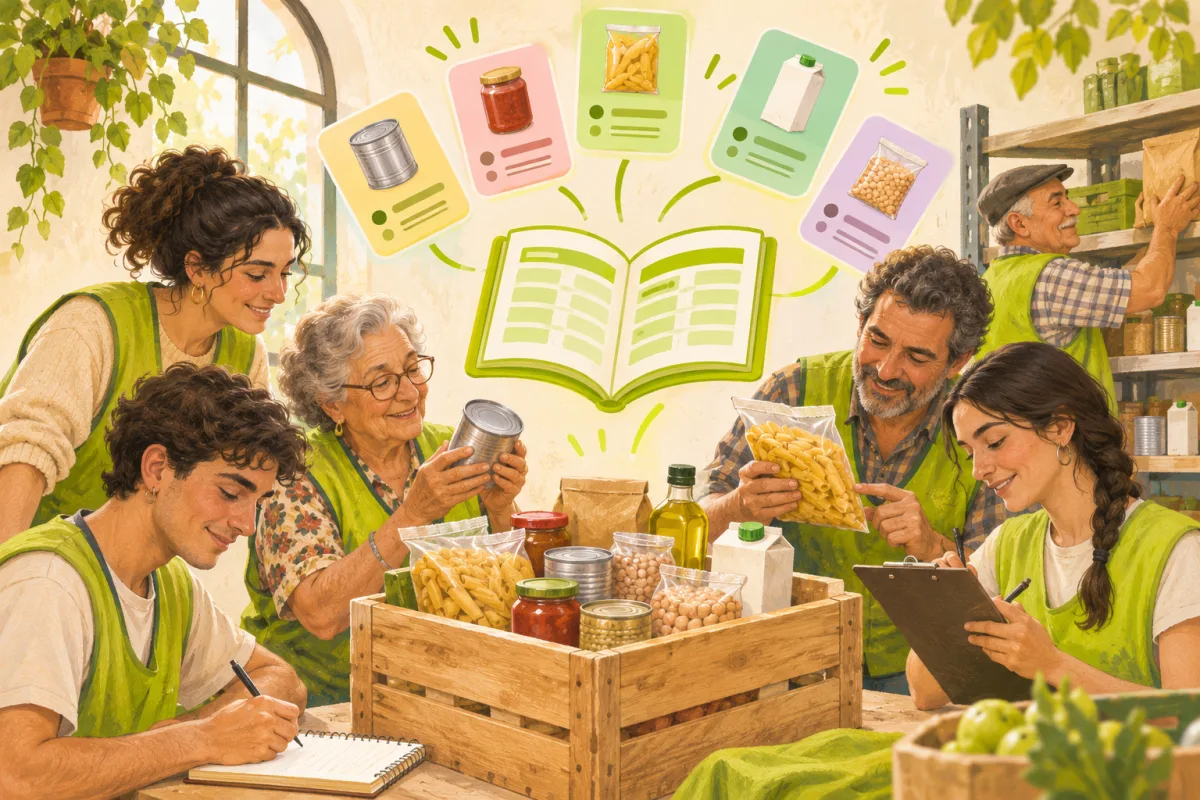
Open Food Facts is an open, collaborative food database. What it contains, how it is used, what its limits are and why it matters that it is open.
Short answer: Open Food Facts is a database of food products from all over the world, built by volunteers and free to use. Each product is identified by its barcode and has a page with the data from its label. It matters because it is a public, reusable source: anyone can consult it, improve it and build on top of it, instead of depending on a closed catalogue.
Open Food Facts is a collaborative, non-profit project: an association of volunteers that catalogues food products. It works like an encyclopedia of products: anyone can add a new product, a photo of the pack or correct a detail.
The database is available in many languages and countries, with its own Spanish version at es.openfoodfacts.org.
Depending on the product and how complete it is, a page may include:
Note the words "depending on how complete it is". A collaborative database has very complete pages and others with almost nothing. Not every product is there, and some data may be out of date.
In a closed database, a mistake stays where it is until its owner decides to fix it. In an open one, whoever sees it can correct it. That does not make it infallible, but many hands can improve it.
The data has an open licence, the ODbL, which allows reuse if the source is credited and its conditions are respected. That allows apps, studies and tools to exist that would otherwise have to start from scratch.
A proprietary catalogue can change its terms, its price or disappear. An open database sustained by a community offers more continuity and transparency.
When you scan a barcode in SuperLikeIt, the product page may come from Open Food Facts: name, brand, photo and category. We query it from our server, keep a copy of what we use and refresh it from time to time so as not to overload their service.
Two things worth making clear:
/legal/fuentes).If a code does not exist in their database, SuperLikeIt lets you create the product by hand, with a name, brand and photo, and it stays pending review.
If you find a product that is missing or a page with a mistake, you can add or correct it in Open Food Facts, which has its own apps and a wiki with instructions. The more good pages, the better for everyone, including the apps that rely on it.
Imagine you scan the code on a pack of biscuits:
The whole process depends on someone, at some point, having registered that product. That is why an open database, which anyone can contribute to, ends up more complete than a catalogue that only one company updates.
Yes, consulting and using its data is open, under the terms of its licence, which include attribution.
A community of volunteers and a non-profit association. Anyone can take part.
As reliable as the specific page is. Some pages are very complete and others have errors, so it pays to check against the label on the pack.
It may be new or uncommon. In SuperLikeIt you can create it by hand; in Open Food Facts you can add it yourself.
No. Your reviews and the prices you note belong to SuperLikeIt and live in our own tables, apart from the product data.
SuperLikeIt is free and has no ads. Scan the barcode, give your verdict and see what everyone else thinks.
Create my free accountA practical method to compare supermarket prices: price per kilo or litre, offers, dates and a short list of products you actually buy.
Advertising says what a brand wants you to know. Reviews say what happened when someone tried it. When to trust each one.
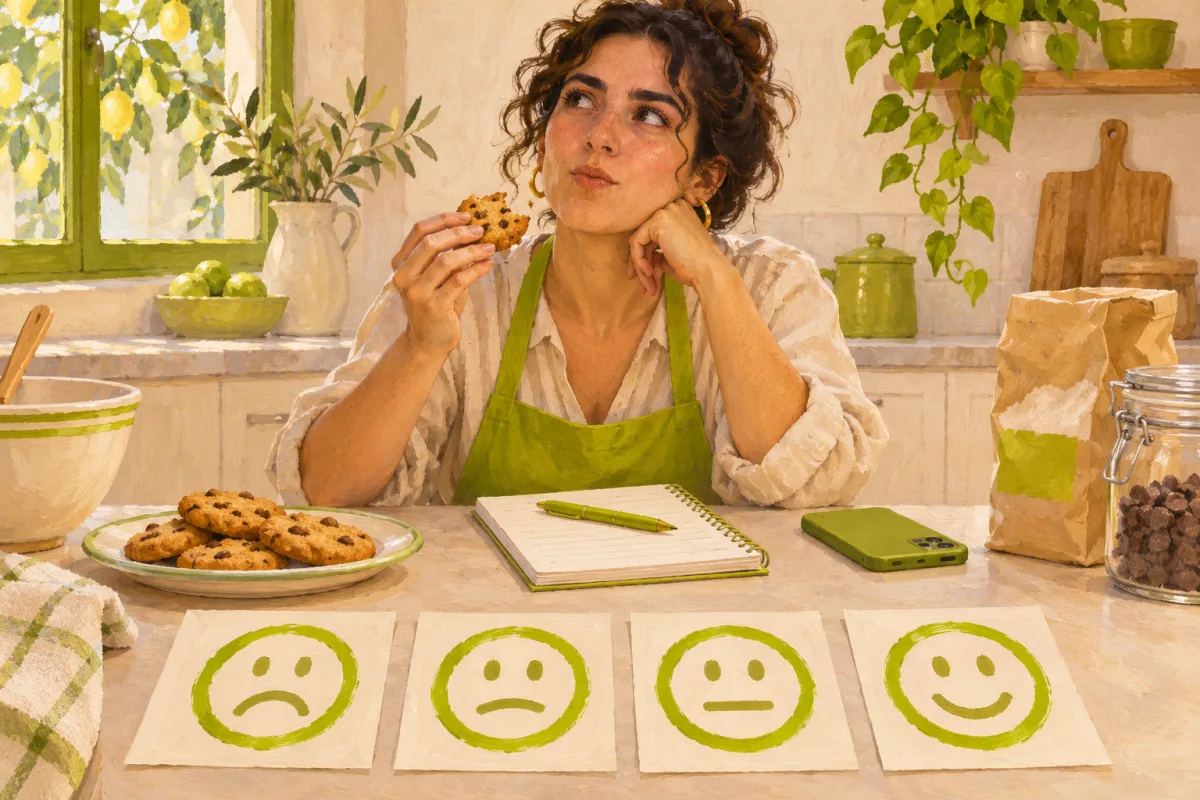
How to give a taste verdict that helps others: try it calmly, be specific, talk about the product and choose well between SUPERLIKE, LIKE, MEH and NOPE.